


Daisies
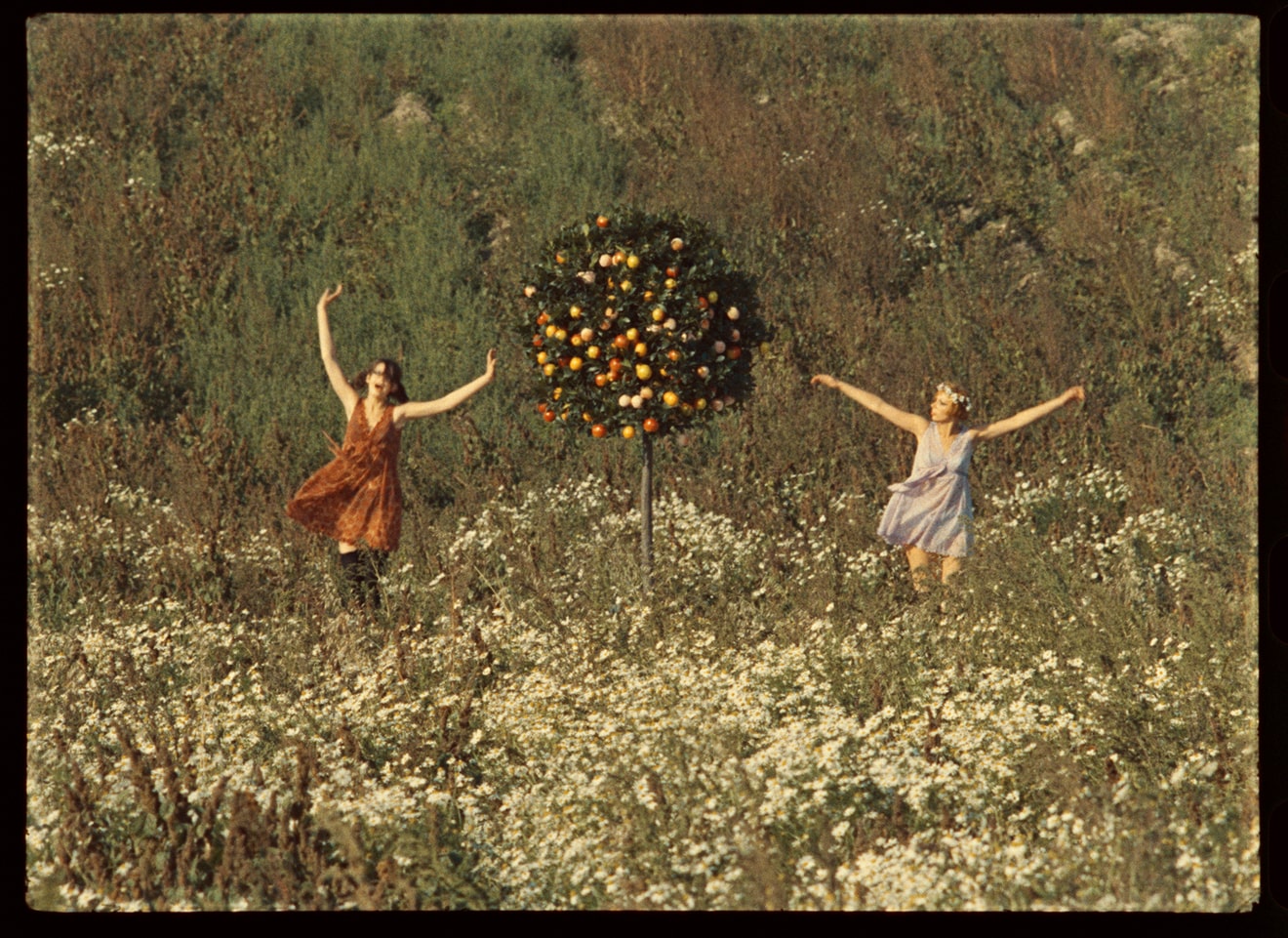
Věra Chytilová's Daisies is one of the most daring and radical films of the Czech New Wave. The story of two girls who decide to “go bad” in response to a “corrupt world” turns into an allegory of total rebellion. Their anarchy is directed not against individuals, but against the very structure of norms, discipline, and moralizing that shape social behavior.
Released in the mid-1960s, Daisies became part of a cultural movement that sought freedom of form and a critical view of reality. The Prague Spring had not yet begun, but the tension was already palpable: the system was creaking under pressure, and artists were looking for new ways to talk about the lack of freedom. The film's radical aesthetics—its fragmentary nature, visual collages, and constant transition from color to black-and-white images—were not just a formal experiment, but a way of expressing the collapse of ideological integrity.
Unsurprisingly, the state's reaction was harsh: the film was accused of “ideological harmfulness” and “waste of food.” However, behind this official wording lies the real reason: Khitilova showed female characters who completely deviated from the normative model of socialist femininity — hard-working, modest, rational. The heroines of Daisies break all the rules: language, space, behavior, food norms, the very idea of a “good girl.” Their anarchy is a refusal to be disciplined bodies.
The key gesture of the film is the destruction of the banquet table — a symbol of prosperity, stability, and socialist well-being. That is why the authorities took the film literally: not as a game or a metaphor, but as an attack on a political myth.
Today, Daisies still looks surprisingly modern: the film speaks of the fragility of ideologies, the right to disobey, and the need to rethink the norms that structure our existence.
Media partner of the film program: ‘98mag